
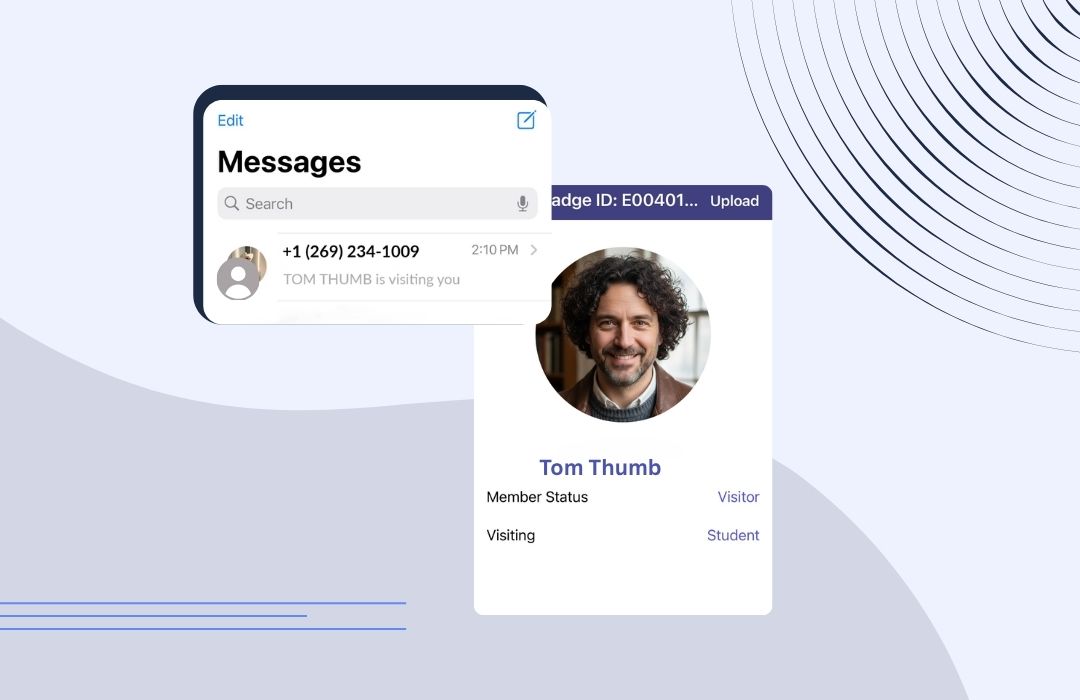
Assisted Living Meal Check-in System that Improves Resident Care

Table of Contents
It’s noon, and residents in your senior living community are arriving for lunch. One by one, they share their name, and a staff member checks it off on a paper meal log. Everything seems fine, residents are fed, and attendance is noted.
Over time, however, the community grows. Positive reviews bring in more residents, families place greater trust in your care, and meal periods become busier.
Soon, 10–15 residents arrive at the dining area at the same time. In an effort to keep the line moving, names are missed, residents are accidentally marked present, or meal attendance is recorded incorrectly. These small errors begin to add up.
At that point, the issue becomes more than operational inefficiency—it directly affects resident care and daily operations. If you’re wondering how modern senior communities are fixing this problem, continue reading this blog.
Why Meal Attendance Matters in Assisted Living Communities
Think about the last time you skipped a meal. Maybe you were busy or running late. By the end of the day, you probably felt tired. For most people, that’s uncomfortable but manageable.
For seniors, it’s a different story.
As residents age, their bodies require more consistent care, nutrition, and monitoring. Many seniors manage chronic health conditions, take daily medications, or follow specific dietary plans. Because of this, regular meal attendance becomes an important indicator of overall health.
When a resident misses a meal, it can signal more than a scheduling issue. It may point to changes in physical health, mobility challenges, depression, anxiety, or social withdrawal. These are not always things residents openly communicate, which is why meal attendance is often one of the first noticeable signs that something may be wrong.
Nutrition also plays a major role in senior wellness. According to the Dietary Guidelines for Americans, many older adults do not get enough protein, vitamin B-12, or fluids in their daily diet. Assisted living communities often plan meals intentionally to help meet these nutritional needs. When a resident misses a meal, they may be missing essential support for their health.
Over time, consistently missing meals can affect energy levels, immune function, and the ability to manage existing health conditions. That’s why keeping accurate meal attendance records is so important. It allows staff to identify patterns, follow up quickly, and ensure residents are receiving the care and nutrition they need.
How Paper Meal Check-In Systems Put Senior Residents at Risk
Paper meal check-in systems depend entirely on manual processes, making them vulnerable to mistakes. When several residents arrive at once, it’s easy to miss a name, mark someone incorrectly, or assume a resident attended when they did not. These small errors can delay wellness checks and make it harder to identify changes in a resident’s health or behavior. Paper logs also lack real-time visibility, meaning staff often discover missed meals only after the fact. Over time, this limits a community’s ability to respond quickly and consistently to potential health concerns.
Why Modern Meal Check-In Systems Offer a Better Approach
As discussed, paper meal check-in systems are prone to human error. While they may work in smaller communities, they often fail to scale as resident populations grow and dining rooms become busier. When multiple residents arrive at once, even the most attentive staff can miss a name, mark someone incorrectly, or assume attendance without confirmation.
That’s where a modern meal check-in system makes a meaningful difference.
Instead of relying on verbal check-ins or paper lists, residents independently check in by tapping a badge or fob at the dining room entrance. Their attendance is automatically recorded and logged in real time. Whether five residents walk in together or fifty, each check-in is captured accurately.
For care teams, this creates instant visibility. Staff can quickly see which residents attended a meal and which did not. That means wellness checks can happen sooner, rather than hours or even days after a missed meal.
Many modern meal check-in systems also extend beyond dining alone. Cloud-in-Hand’s Stratus-io platform is one such solution, and in the next section, we’ll explore how it helps assisted living communities track meals and support other moments that matter.
See How Meal Check-In Works With a Free Trial
If you’re exploring better ways to track resident meal attendance, a free trial lets you see how the system fits into your daily routine.

How Stratus-io Supports Accurate Meal Check-In and Resident Wellness
Cloud-in-Hand® Stratus-io Meal Check-In gives assisted living communities a simple way to track who attends each meal, using tools residents already know and use.
Most assisted living communities already issue RFID key fobs or badges for secure access to doors, elevators, or shared spaces. With Stratus-io Meal Check-In, those same credentials become an easy way for residents to check in.
How Stratus-io Meal Check-in System Works
1. Simple Tap at the Dining Entrance
As residents arrive for a meal, they tap their existing key fob or badge at the dining room entrance using an idChamp RFID-NFC Credential Reader.
2. Automatic Meal Attendance Logging
Each tap is instantly recorded in Stratus-io—no paper lists, no manual checkmarks, and no staff intervention required. Communities can also choose to prompt for optional details, such as meal preferences.
3. Real-Time Visibility for Staff
Dining, care, and administrative teams can immediately see which residents have checked in through easy-to-use reporting.
4. Faster Follow-Up When It Matters Most
If a resident misses a meal, staff can proactively check on them right away instead of discovering the absence hours later.
Supporting Care Beyond the Dining Room
Meal check-in is just one way assisted living communities use Stratus-io. Many communities choose to expand the platform to support other daily activities that help teams stay organized, informed, and responsive to resident needs.
Here are a few ways Stratus-io is commonly used beyond the dining room:
Activity and Event Attendance
So you don’t have to stress about taking attendance at activities or events. Attendance is captured instantly, and because everything is tracked in real time, you can even add incentives for residents who arrive by a certain time.
Mobile, On-the-Go Attendance
Have a bus or vehicle where you need to take attendance? No problem. Stratus-io supports mobile check-ins, so staff can easily see who’s on board and who’s not.
Therapy or Appointment Check-Ins
To help continue looking out for resident care, Stratus-io can also be used to confirm attendance at therapy sessions or scheduled appointments.
Staff Time and Attendance
The platform isn’t limited to resident use. Many assisted living communities also use Stratus-io to track staff time and attendance, helping keep everything in one system instead of managing multiple tools
Emergency Headcount and Mustering
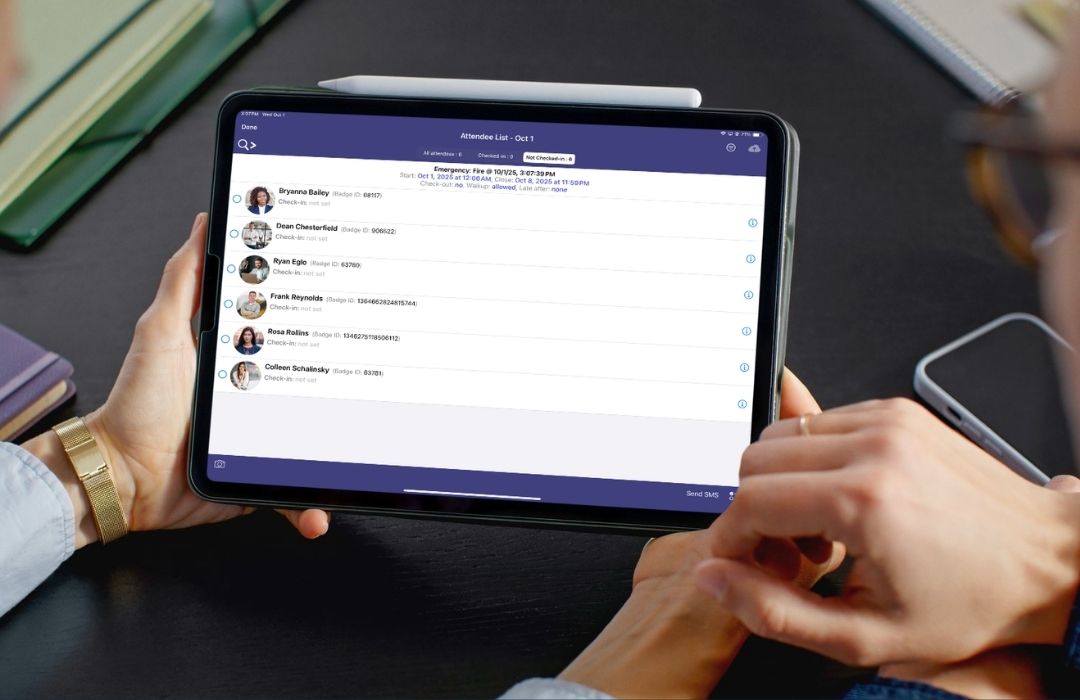
Never be left wondering who is inside a building during an emergency. With emergency headcount and mustering, residents and staff can quickly mark themselves safe, and teams can send instant alerts to account for everyone
All of this is easier to understand when you see it in action. Watch the video below to see how Stratus-io supports meal check-ins and other daily workflows in assisted living communities!

Cloud-In-Hand® Solutions Team
This blog reflects the expertise of the Cloud-In-Hand® Solution Team with over 100 years of experience in hardware, software, and firmware development. Since founding Solutions Consulting in 1992, now known as Serialio LTD, the Solution Team has designed and developed many innovative solutions. Cloud-In-Hand® Stratus-io Time and Attendance, helps organizations like Apple, Google, Toshiba, LinkedIn, Salesforce, and many more, streamlining their operations.
Cloud-In-Hand® Solution Team
This blog reflects the expertise of the Cloud-In-Hand® Solution Team with over 100 years of experience in hardware, software, and firmware development. Since founding Solutions Consulting in 1992, now known as Serialio LTD, the Solution Team has designed and developed many innovative solutions. Cloud-In-Hand® Stratus-io Time and Attendance, helps organizations like Apple, Google, Toshiba, LinkedIn, Salesforce, and many more, streamlining their operations.
Read More About Stratus-io
September 14, 2026
September 7, 2026